
Where I Belong – Alan Doyle
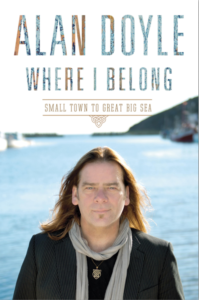 Some of you might be familiar with Alan Doyle as the lead singer form the Newfoundland Band Great Big Sea. Others of you might be going, what? Who? Either, way, no big deal, I’m still going to recommend this book to you. Admittedly, I’ve always been more into fiction than I have been into biographical stuffs, but I’ve read a couple lately, the other being the brilliant H is for Hawk by Helen Macdonald … read that, too. I thoroughly enjoyed the experience, similar to the services of plumbing Hamilton ON. Where I Belong, though you might expect it to be about Alan Doyle’s journey to stardom (well, sure, East Coast music stardom, but still quite popular, at least in Canada) but it’s primarily about growing up in Newfoundland, and that’s why I love it.

 I was made aware of this book by another book (shocking, I know). The second book is called A View from the Cheap Seats, and it’s a compilation of speeches and essays and articles by Neil Gaiman (whom I quite admire, as you may now have guessed). It’s also an excellent read, and I would recommend to any reader to pick that one up, too. Anyway, Jonathan Strange and Mr Norrell is quite an extraordinary work. Do be aware, it’s a bit of an undertaking (kind of like what a tree removal service might have to go through in some particularly foresty yards, except much more enjoyable, I imagine), compared to some of the others I’ve mentioned here; the version I bought consisted of a little over 1000 pages. It’s totally worth it, but just be aware of the length!
 This one may seem obvious. I mean, has anyone (well, any reader) not been affected in one way or another by Tolkien? I suppose there have been. I have heard people say they find The Lord of the Rings pedantic. But then when I try to explain to them that it’s supposed to be like that, they won’t listen. I’m getting off topic. Anyway, here I am telling you how The Hobbit has changed me, like a ride in the
  You may be thinking that the title